
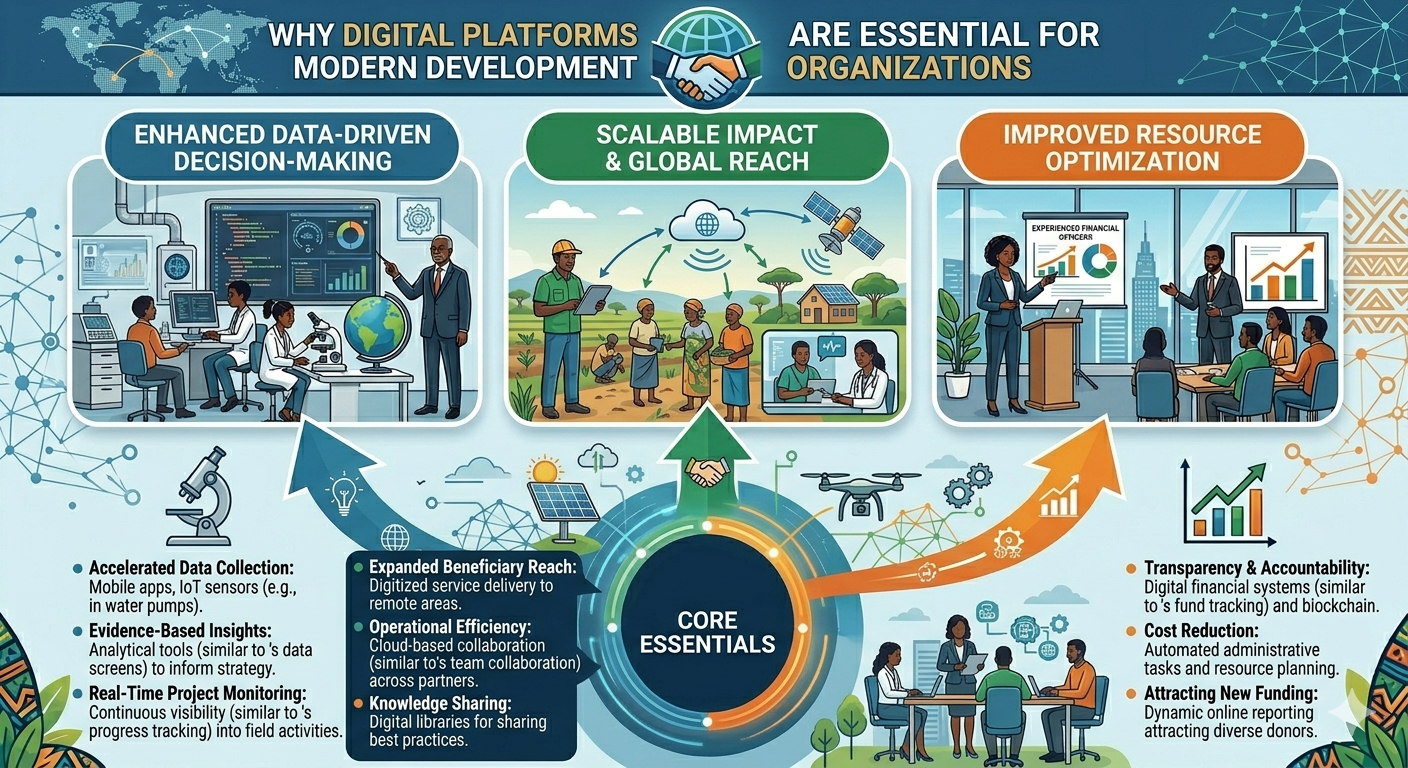
Building Sustainable Capacity Through Digital Development and Training
In today’s rapidly evolving digital world, organizations that invest in capacity building, training, and sustainable development are better positioned to create long-term impact. Technology is no longer optional—it is a core driver of growth, efficiency, and innovation across sectors such as education, development, governance, and community empowerment.
At the core of this transformation is the need for structured learning systems and practical digital solutions that support real-world development goals. Many organizations struggle not because they lack vision, but because they lack the tools, systems, and structured training frameworks needed to execute that vision effectively.
This is where platforms like CISFAD play an important role in promoting sustainable development initiatives, knowledge sharing, and capacity-building programs that empower individuals and institutions.
Strong development systems focus on more than just theory—they emphasize practical skills, digital literacy, and applied knowledge. Whether it is training programs, institutional support, or community-driven projects, the goal is to bridge the gap between knowledge and implementation.
Organizations that prioritize structured development frameworks are able to improve productivity, enhance service delivery, and create measurable impact in their communities. This includes leveraging digital tools, improving access to information, and building systems that support continuous learning.
A well-structured development approach also ensures inclusivity. It allows individuals from different backgrounds to access opportunities, gain relevant skills, and contribute meaningfully to economic and social growth.
As more institutions embrace digital transformation, the importance of centralized platforms for training and development continues to grow. Websites like CIFSAD serve as gateways for information, engagement, and program visibility, helping organizations reach wider audiences and strengthen their impact.
Ultimately, sustainable development is not achieved through isolated efforts. It requires consistent training, strategic planning, and access to reliable information systems that support long-term growth and empowerment.