
The Rise of Remote Work: Opportunities for African Professionals
Introduction: A New Digital Era for African Professionals
The global workplace is undergoing a massive transformation. Today, talent is no longer restricted by geography. A software developer in Nigeria can work for a company in Germany, a virtual assistant in Kenya can support a business in the United States, and a designer in Ghana can earn income from clients worldwide. This shift defines the rise of remote work opportunities for African professionals.
According to 2024–2026 global employment trends, over half of digital jobs are now remote or hybrid, and this number continues to grow rapidly. For Africa, this presents a powerful opportunity to reduce unemployment, increase income levels, and expand participation in the global digital economy.
However, many professionals still lack access to structured digital skills training programs, mentorship, and infrastructure needed to fully benefit from this shift. This is where organizations like CIFSAD play a critical role by providing digital empowerment programs Africa needs to unlock talent and drive inclusive growth.
This guide explores the rise of remote work, opportunities available to African professionals, challenges to overcome, and how to prepare for success in this evolving digital world.
Understanding the Rise of Remote Work in Africa
Remote work is no longer a temporary trend. It is now a permanent feature of the global economy.
Key drivers of remote work growth include:
- Expansion of digital technologies
- Global demand for skilled talent
- Growth of freelancing platforms
- AI powered collaboration tools
- Increased acceptance of virtual teams
These developments are reshaping employment across industries and supporting sustainable development in Nigeria through new economic opportunities.
For African professionals, this shift means access to jobs beyond local markets.
Why Remote Work Matters for African Professionals
Remote work is creating new possibilities for millions of Africans.
Key benefits include:
- Access to global job markets
- Higher income opportunities
- Flexible work arrangements
- Reduced dependency on local job scarcity
- Opportunities for entrepreneurship
This transformation directly supports achieving SDGs through technology, especially SDG 8 (Decent Work and Economic Growth) and SDG 9 (Industry, Innovation, and Infrastructure). Opportunities in Remote Work for African Professionals
- Freelancing and Global Gig Economy Jobs
One of the most accessible entry points into remote work is freelancing.
Popular freelancing fields include:
- Content writing
- Graphic design
- Web development
- Digital marketing
- Video editing
Platforms such as Upwork, Fiverr, and Freelancer allow African professionals to connect with global clients.
This supports youth unemployment digital skills Africa by creating independent income opportunities.
- Remote Corporate Employment
Many global companies now hire remote employees.
Roles include:
- Customer support representatives
- Software engineers
- Data analysts
- Virtual assistants
- Project managers
These opportunities require strong innovative technology training programs and communication skills.
- Digital Entrepreneurship
Remote work also enables individuals to build online businesses.
Examples include:
- E commerce stores
- Online consulting services
- Digital agencies
- Content creation businesses
This strengthens community empowerment initiatives Nigeria by promoting job creation and local economic development.
- Tech Careers in High Demand
The global tech industry continues to expand rapidly.
High demand roles include:
- Artificial intelligence specialists
- Cybersecurity experts
- UI UX designers
- Cloud computing engineers
These roles require advanced digital skills training programs.
- Remote Work in Agriculture and Climate Tech
Africa’s agricultural sector is also becoming digital.
Opportunities include:
- Remote monitoring systems
- Climate data analysis
- Agricultural advisory services
- Supply chain management tools
This supports climate-smart agriculture Nigeria and sustainable food systems.
- Online Education and Coaching
Professionals can also work remotely in education.
Opportunities include:
- Online tutoring
- Skill coaching
- E learning development
- Corporate training
This contributes to digital empowerment programs Africa and education access expansion.
How to Prepare for Remote Work Success
To succeed in remote work, African professionals must build the right foundation.
Step 1: Develop In Demand Digital Skills
Skills are the foundation of remote employment.
Key skills include:
- Digital marketing
- Programming
- Data analysis
- Content creation
- UI UX design
These are core components of digital skills training programs.
Step 2: Build Strong Communication Skills
Remote jobs require excellent communication.
You must learn to:
- Write professional emails
- Speak clearly in virtual meetings
- Collaborate using digital tools
- Communicate across cultures
Step 3: Create a Professional Portfolio
A portfolio demonstrates your abilities.
Include:
- Projects
- Case studies
- Work samples
- Certifications
Step 4: Learn Remote Collaboration Tools
Remote professionals must be comfortable with tools like:
- Zoom
- Slack
- Google Workspace
- Trello
- Asana
These are essential for innovative technology training programs.
Step 5: Build an Online Presence
Your digital identity matters.
Steps include:
- Creating a LinkedIn profile
- Joining professional communities
- Sharing expertise online
- Networking with global professionals
Step 6: Learn Time Management and Discipline
Remote work requires self discipline.
Best practices:
- Set daily goals
- Follow a work schedule
- Avoid distractions
- Track productivity
Step 7: Understand Funding and Growth Opportunities
Many professionals need support to start.
Available options include:
- Online scholarships
- Government programs
- NGO training initiatives
- Startup grants
- how to get funding for sustainable projects Nigeria opportunities
Challenges Facing African Remote Workers
Despite opportunities, challenges remain.
Common barriers include:
- Limited internet access
- High cost of data
- Low digital literacy
- Lack of mentorship
- Limited exposure to global platforms
These issues affect sustainable development in Nigeria and digital inclusion.
Case Studies: Remote Work Success Stories in Africa
Case Study 1: Youth Remote Work Transformation Program
A CIFSAD inspired initiative trained over 700 African youth in remote work skills.
Results:
- 250 secured freelance jobs
- 200 joined remote companies
- 180 started online businesses
This demonstrates strong impact in community empowerment initiatives Nigeria.
Case Study 2: Women in Digital Work Program
Women trained in digital skills achieved:
- Financial independence
- Global freelance opportunities
- Business growth online
This supports sustainability consulting Nigeria and inclusive development.
Case Study 3: Digital Agriculture Innovation
Farmers using remote tools achieved:
- Improved crop monitoring
- Better market access
- Increased productivity
This contributes to climate-smart agriculture Nigeria and rural transformation.
How CIFSAD Empowers African Professionals for Remote Work
CIFSAD is a leading sustainability consultant and technology hub committed to transforming communities across Africa through digital education and innovation.
CIFSAD provides:
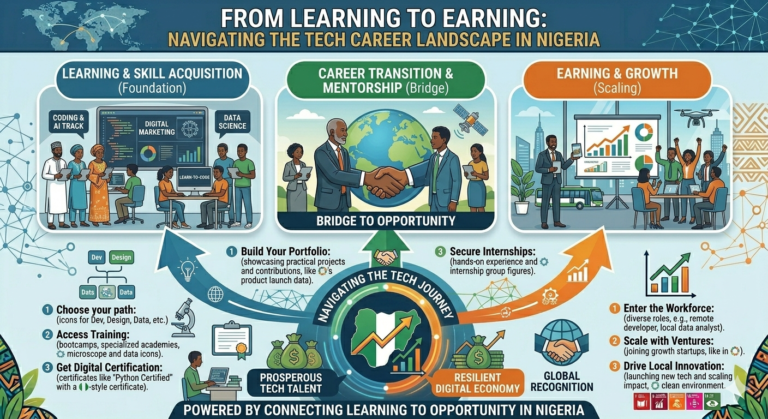
- Comprehensive digital skills training programs
- Remote work readiness training
- Career mentorship and coaching
- Sustainability focused education
- Internship and job placement support
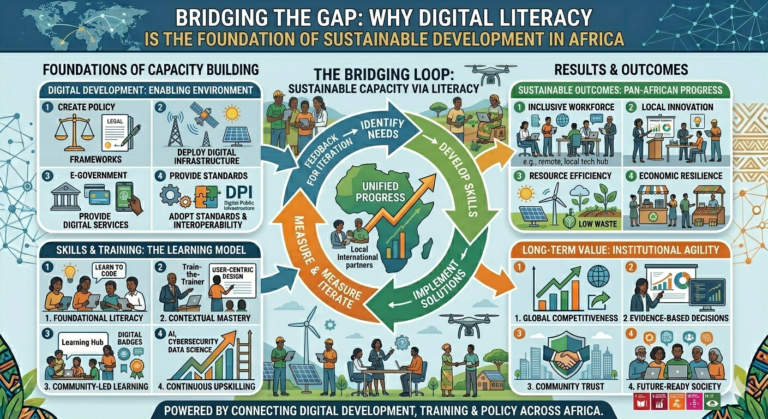
How CIFSAD addresses key barriers
- Low digital literacy → beginner friendly training
- Lack of access → flexible learning systems
- Funding challenges → mentorship and guidance
- Market limitations → global job preparation
- Climate issues → sustainability education
CIFSAD also promotes sustainable development in Nigeria through technology driven solutions.
CIFSAD and the SDGs
CIFSAD contributes to:
- SDG 4 Quality Education
- SDG 8 Decent Work and Economic Growth
- SDG 9 Industry Innovation and Infrastructure
- SDG 13 Climate Action
- SDG 17 Partnerships for the Goals
This strengthens Africa’s position in the global digital economy.
The Future of Remote Work in Africa
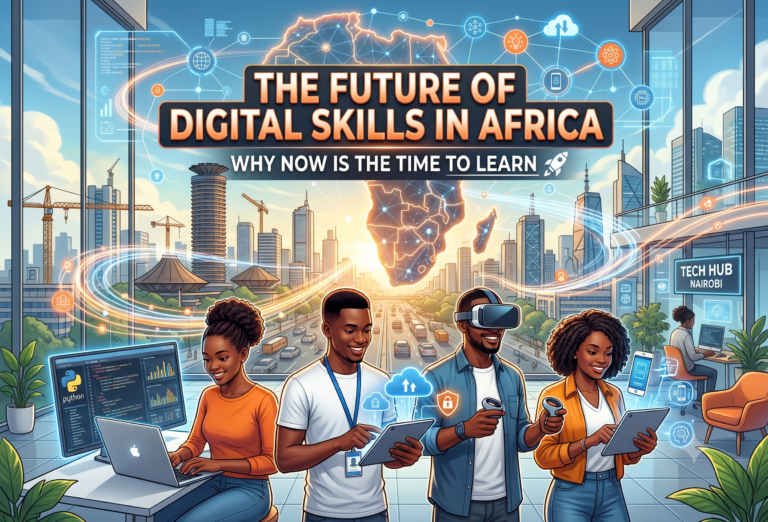
The future is digital, flexible, and borderless.
Key trends include:
- AI driven remote jobs
- Global freelancing expansion
- Hybrid work models
- Digital entrepreneurship growth
- Lifelong learning systems
Africa is becoming a key global talent hub.
Conclusion: Remote Work Is Redefining Opportunities for African Professionals
The rise of remote work opportunities for African professionals is creating a new era of economic empowerment, global inclusion, and innovation. With the right skills and preparation, African talent can compete and succeed on the global stage.
Organizations like CIFSAD are making this transformation possible through structured digital skills training programs, mentorship, and real world opportunities that prepare professionals for success.
The future of work is no longer local—it is global, and Africa is ready.
Start Your Remote Career Journey Today
Your global opportunity is within reach.
Visit https://cifsad.com.ng/ today to:
Apply for digital skills training programs
Join community empowerment initiatives Nigeria
Access sustainability consulting Nigeria support
Explore career and internship opportunities
Participate in innovative technology training programs
Get personalized remote work readiness support
Do not wait. Apply now, get involved, and start building your remote work future today.