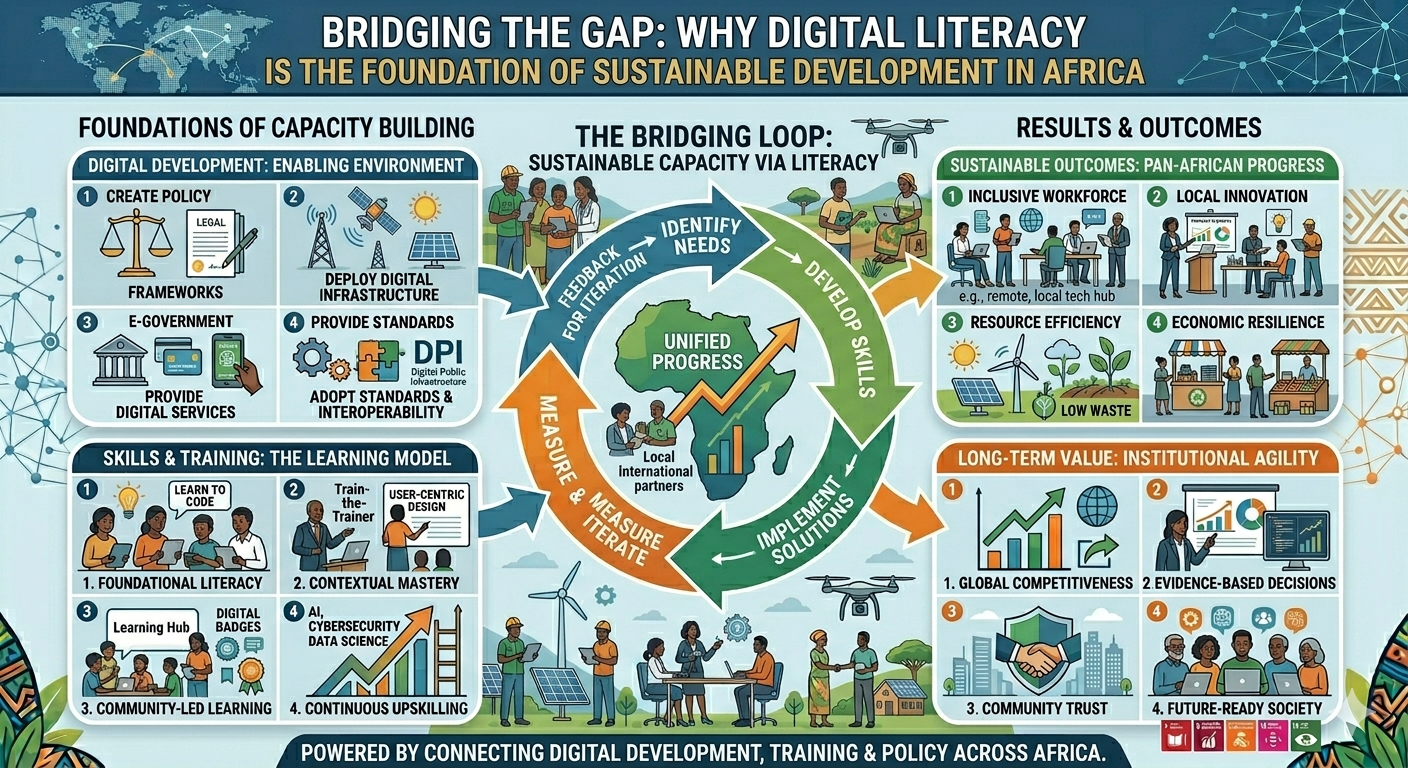
Bridging the Gap: Why Digital Literacy is the Foundation of Sustainable Development in Africa
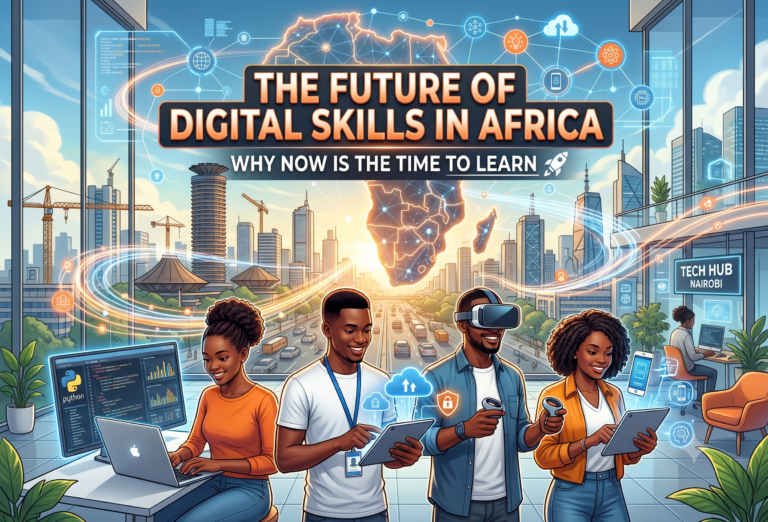
In the modern global economy, digital skills are no longer a luxury—they are a fundamental right. At CIFSAD, we believe that for Africa to achieve the Sustainable Development Goals (SDGs), we must first equip our youth and communities with the tools to navigate the digital world. Without digital literacy, millions risk being left behind in an economy that increasingly operates online—from job applications and banking to education and healthcare. Bridging this gap is not just an opportunity; it is an urgent necessity.
The Digital Divide and the SDG Agenda
Sustainable development isn’t just about environmental protection; it’s about economic resilience and social inclusion. When a young person in Nigeria learns to code, manage a website, or utilize digital marketing, they aren’t just getting a job—they are participating in a global ecosystem that drives innovation. This directly supports SDG 4 (Quality Education) by modernizing how knowledge is delivered and accessed. It fuels SDG 8 (Decent Work and Economic Growth) by creating freelancers, remote workers, and digital entrepreneurs who no longer depend on scarce local jobs. Furthermore, digital literacy advances SDG 1 (No Poverty) by opening pathways to higher incomes and SDG 5 (Gender Equality) by giving women and girls equal access to online opportunities. However, the digital divide remains wide across many African communities due to lack of infrastructure, affordability, and relevant training. Bridging this gap requires intentional, community-rooted solutions—not generic online courses that ignore local realities.
What CIFSAD is Doing
Through our specialized training programs across Africa, CIFSAD moves beyond theory to deliver measurable, lasting change. We focus on three core areas:
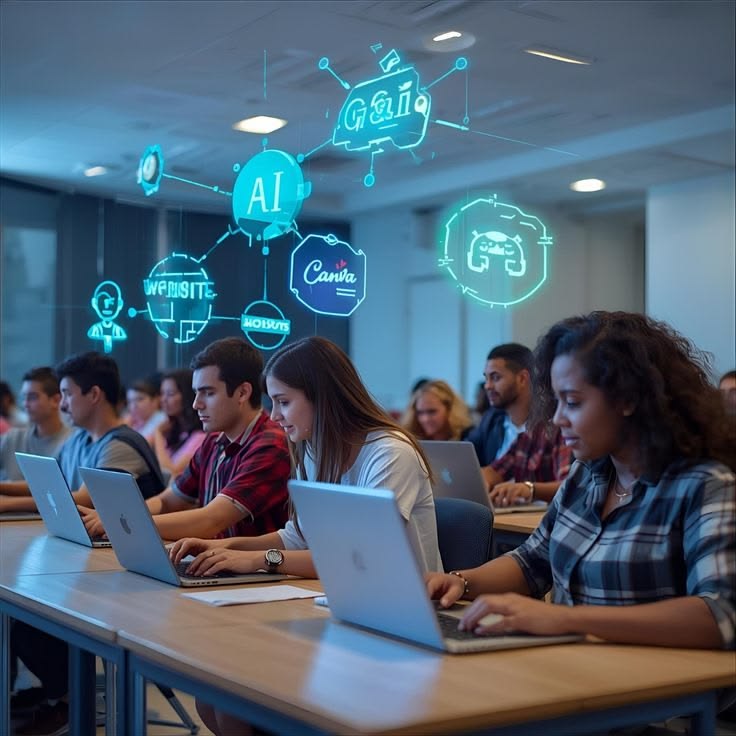
Practical Skills – Our hands-on training targets the most in-demand tech sectors, including data entry, digital marketing, e-commerce management, cloud tools, and remote work platforms. Every module includes real projects, not just lectures.
Inclusivity – We ensure that digital education reaches everyone, including rural communities, marginalized groups, people with physical disabilities, and women who face cultural barriers to technology. Our classes are designed for low-bandwidth environments and offered in local languages where needed.
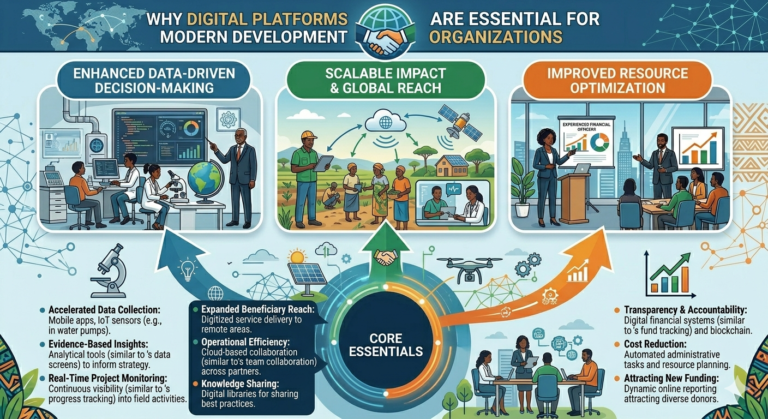
Impact – Our metrics show that every participant trained represents a potential new business launched, a job secured, or a community service improved. We track income changes, job placement rates, and ongoing skill usage to confirm that training translates into real economic activity.
Beyond training, CIFSAD also deploys supporting technology such as offline learning platforms and solar-powered digital hubs, ensuring that lack of electricity or internet never becomes a barrier to learning.
A Call to Action
The journey toward a sustainable Africa is powered by technology, but technology alone is not enough. It requires skilled hands and informed minds to wield it. At CIFSAD, we are building that future—one digital skill at a time. Whether you are an individual seeking training, a partner organization looking to collaborate, or a donor wanting to fund digital inclusion, we invite you to join us. Together, we can close the digital divide and ensure that no African community is left behind in the age of innovation.