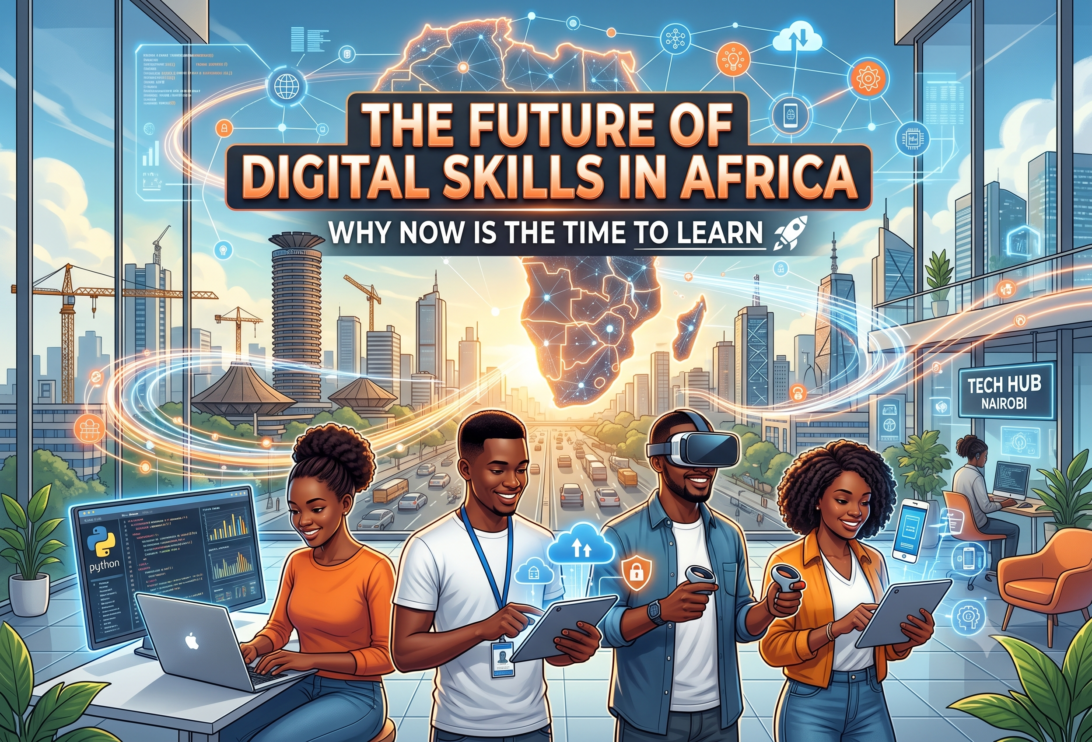
The Future of Digital Skills in Africa: Why Now Is the Time to Learn
Introduction: Africa’s Digital Future Is Already Here
Across Africa, a silent revolution is unfolding. From mobile banking in rural communities to AI-powered startups in Lagos, technology is rapidly reshaping how people live, learn, and work. Yet, according to recent development insights across Sub-Saharan Africa (2024–2026 trends), millions of young people still lack access to digital skills training needed to participate in this growing digital economy.
This gap presents both a challenge and an opportunity.
The future of work in Africa will not be defined by natural resources alone, but by how well individuals and communities can adapt to digital transformation. This is why The Future of Digital Skills in Africa: Why Now Is the Time to Learn is more than just a topic, it is a call to action.
Organizations like CIFSAD are leading the charge by equipping individuals with future-ready skills, sustainability knowledge, and innovative tools needed to thrive in a rapidly changing world.
The Digital Skills Gap in Africa: A Growing Challenge
Africa has the youngest population in the world, yet it also faces one of the highest unemployment rates among youth. One major reason is the mismatch between education systems and labor market demands.
Key challenges include:
- Limited access to quality digital skills training programs
- Poor internet infrastructure in rural communities
- Lack of affordable devices for learning
- Low exposure to innovative technology training programs
- Weak alignment between education and industry needs
- Limited awareness of digital empowerment programs Africa-wide
In Nigeria alone, millions of young people graduate every year without the technical or digital capabilities needed to compete in global markets.
At the same time, industries are rapidly evolving, agriculture, healthcare, energy, and education are all becoming digital-first sectors. Without intervention, this gap will widen.
Why Digital Skills Are the Future of Work in Africa
The global economy is shifting toward automation, artificial intelligence, remote work, and data-driven decision-making. Africa cannot afford to be left behind.
Digital skills now determine access to:
- Remote jobs and freelancing opportunities
- Tech entrepreneurship and startup funding
- Global freelance marketplaces
- Government and NGO digital programs
- Green jobs and sustainability projects
This shift directly connects to sustainable development in Nigeria and across Africa, where digital tools are now essential for innovation in agriculture, health, education, and energy.
Digital Skills and Sustainable Development in Africa
Digital transformation is not just about technology, it is about sustainability, inclusion, and economic growth.
- Achieving SDGs through Technology
Digital innovation supports achieving SDGs through technology, especially:
- SDG 4: Quality Education
- SDG 7: Clean Energy
- SDG 8: Decent Work and Economic Growth
- SDG 9: Industry, Innovation, and Infrastructure
- SDG 17: Partnerships for the Goals
- Climate and Environmental Impact
Technology enables:
- Climate monitoring systems
- Smart agriculture tools
- Renewable energy tracking
- Waste management solutions
This is critical for climate-smart agriculture Nigeria, where farmers use digital platforms to improve productivity and adapt to climate change.
How to Build Digital Skills for the Future
Developing relevant skills requires intentional learning and access to the right programs.
Step 1: Start with Foundational Digital Literacy
Learn:
- Basic computer skills
- Internet navigation
- Email communication
- Online safety and cybersecurity
Step 2: Choose a Specialized Path
Popular high-demand digital skills include:
- Data analysis
- Digital marketing
- Web development
- UI/UX design
- Social media management
- Tech entrepreneurship Africa pathways
Step 3: Join Structured Training Programs
Enroll in structured learning platforms such as digital empowerment programs Africa that offer mentorship and real-world projects.
Step 4: Apply Skills to Real Problems
Use your skills in:
- Agriculture
- Education
- Healthcare
- Renewable energy
- Community development
Funding and Opportunities for Digital Growth
One major barrier for Africans is access to funding.
However, opportunities exist through:
- Government youth empowerment schemes
- NGO grants
- Startup incubators
- International development programs
- Private sector partnerships
Understanding how to get funding for sustainable projects Nigeria is now a critical skill for entrepreneurs and innovators.
Many organizations now support:
- Green energy startups
- Social impact projects
- Digital education platforms
- Climate resilience solutions
Common Barriers Facing African Youth
Despite opportunities, several obstacles remain:
- High cost of internet and devices
- Limited mentorship and guidance
- Poor awareness of digital careers
- Funding gaps for startups
- Weak digital infrastructure in rural areas
These challenges highlight the need for strong community empowerment initiatives Nigeria that focus on both skills and access.
CIFSAD’s Role in Africa’s Digital Transformation
CIFSAD stands at the forefront of sustainable development and digital empowerment in Africa. As a leading sustainability consultant and technology hub, CIFSAD is committed to transforming communities through education, innovation, and impact-driven programs.
CIFSAD focuses on:
- Comprehensive digital skills training
- Sustainability consulting Nigeria for organizations and governments
- Climate-smart and green innovation solutions
- Youth entrepreneurship development
- SDG-aligned training programs
- Internship and career development opportunities
CIFSAD’s Mission in Action:
- Empowering youth with job-ready digital skills
- Supporting startups with strategic consulting
- Promoting environmental sustainability through technology
- Bridging the gap between education and employment
Case Study: Empowering Communities Through Digital Learning
Consider a community-based initiative inspired by CIFSAD’s impact model:
- Over 500 young people trained in basic and advanced digital skills
- 120 participants launched freelance and online businesses
- 45 small agribusinesses adopted digital tools for market access
- Local women entrepreneurs gained access to online marketplaces
- Several participants joined remote work platforms
This demonstrates how innovative technology training programs can transform entire communities when properly implemented.
Such results are not just statistics, they represent real lives changed through access to knowledge and opportunity.
The Link Between Digital Skills and Entrepreneurship
Digital skills are no longer optional, they are the foundation of modern entrepreneurship.
With the right skills, individuals can:
- Start online businesses with minimal capital
- Reach global markets through e-commerce
- Build personal brands on social media
- Offer freelance services internationally
- Develop tech-based solutions to local problems
This is especially important for youth unemployment digital skills Africa, where innovation is becoming a key driver of job creation.
The Role of Technology in Green and Sustainable Development
Africa’s future depends heavily on sustainable innovation.
Digital tools support:
- Renewable energy monitoring systems
- Smart irrigation in agriculture
- Environmental data tracking
- Waste reduction systems
These efforts align with green energy training programs Nigeria, helping communities transition to cleaner, more efficient systems.
CIFSAD actively integrates sustainability into its training by promoting environmental responsibility alongside digital education.
Why Now Is the Time to Learn Digital Skills
There has never been a more important time to invest in digital learning.
Reasons include:
- Rapid automation of jobs globally
- Increasing demand for remote work
- Expansion of Africa’s digital economy
- Growing startup ecosystems
- Government focus on innovation and technology
Delaying digital education today means missing out on tomorrow’s opportunities.
Conclusion: The Future Belongs to the Digitally Skilled
The future of Africa is digital, sustainable, and innovation-driven. The ability to thrive in this future depends on access to quality education, relevant skills, and strong support systems.
The message is clear: The Future of Digital Skills in Africa: Why Now Is the Time to Learn is not just a statement, it is a necessity for survival and growth in the modern world.
Organizations like CIFSAD are leading this transformation by offering life-changing opportunities in education, sustainability, and innovation. Through its commitment to community empowerment initiatives Nigeria, digital transformation, and SDG-focused programs, CIFSAD is helping to build a stronger, more inclusive Africa.
Start Your Digital Transformation Today
The time to act is now.
Whether you are a student, entrepreneur, farmer, or professional, you can take the next step toward a better future.
👉 Visit https://cifsad.com.ng/ today to:
- Apply for digital skills training programs
- Join sustainability and innovation initiatives
- Request expert sustainability consulting Nigeria
- Explore partnerships and collaborations
- Book workshops and capacity-building sessions
- Get personalized support for your digital journey
Do not wait for the future, build it.
Your journey toward empowerment, innovation, and opportunity begins today.