How Digital Education Is Transforming Communities Across Africa
Introduction: A New Digital Era for African Communities
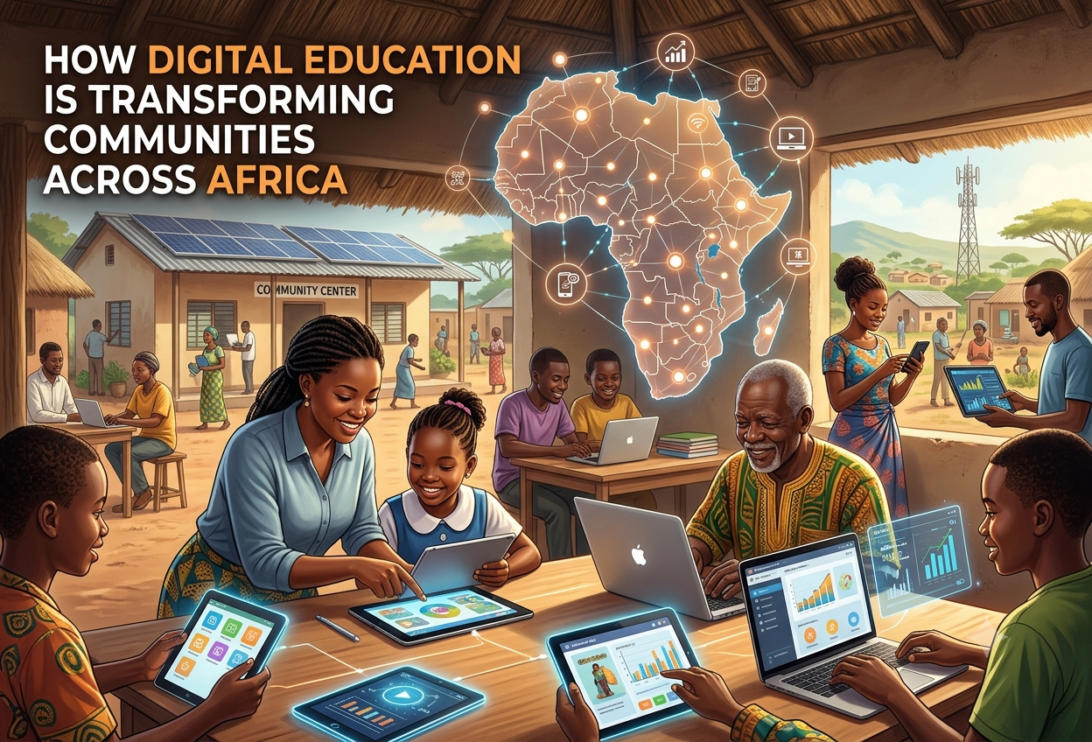
Across Africa today, a young farmer in rural Nigeria can learn modern agricultural techniques on a smartphone, a student in Ghana can attend virtual classes from a remote village, and a small business owner in Kenya can sell products globally through social media. This is the power of digital education transformation in Africa.
According to 2024–2026 development trends, over 60% of Africa’s population is under 25, yet millions still lack access to structured digital skills training that could unlock employment, entrepreneurship, and innovation opportunities. This gap is rapidly changing as organizations like CIFSAD expand access to digital empowerment programs Africa needs for sustainable growth.
This article explores how digital education is transforming communities across Africa, the challenges slowing progress, and how strategic interventions are creating lasting impact in Nigeria and beyond.
The Digital Education Gap in Africa: Understanding the Challenge
Despite rapid technological growth, Africa still faces major barriers in education and digital inclusion.
Key challenges include:
- Limited access to innovative technology training programs
- Poor internet connectivity in rural communities
- High cost of digital devices
- Lack of trained digital educators
- Weak integration of technology in schools
- Low awareness of community empowerment initiatives Nigeria
In Nigeria especially, many students graduate without practical digital experience, making it difficult to compete in a global economy increasingly driven by technology.
This gap directly affects sustainable development in Nigeria, limiting job creation, innovation, and economic diversification.
How Digital Education Is Driving Transformation Across Africa
Digital education is no longer optional, it is the foundation of Africa’s future economy. Its impact is visible across multiple sectors.
- Education Access and Learning Equality
Digital platforms are breaking barriers by enabling:
- Remote learning in underserved communities
- Access to global educational resources
- Virtual classrooms and online certifications
- Self-paced learning opportunities
This supports achieving SDGs through technology, especially SDG 4 (Quality Education).
- Economic Empowerment and Job Creation
Digital education is creating new pathways to income through:
- Freelancing and remote work
- Tech entrepreneurship
- E-commerce and digital marketing
- Online content creation
These opportunities are especially important for youth unemployment digital skills Africa, where millions are seeking sustainable livelihoods.
- Agricultural Innovation and Food Security
In rural Africa, digital education is transforming agriculture through:
- Mobile farming advisory apps
- Weather forecasting systems
- Smart irrigation techniques
- Market price tracking platforms
This supports climate-smart agriculture Nigeria, helping farmers improve productivity while adapting to climate change.
- Healthcare and Community Wellbeing
Digital learning is improving healthcare systems through:
- Telemedicine services
- Health awareness campaigns
- Digital patient records
- Remote training for health workers
This contributes to Good Health and Well-Being (SDG 3).
- Green Energy and Environmental Sustainability
Digital education supports environmental transformation through:
- Renewable energy monitoring systems
- Climate data analysis tools
- Waste management innovations
- Sustainable energy training programs
This connects directly to green energy training programs Nigeria and environmental sustainability goals.
Practical Steps to Build Digital Education in Communities
For communities and individuals, transformation begins with structured action.
Step 1: Build Foundational Digital Literacy
Start with:
- Basic computer skills
- Mobile device usage
- Internet navigation
- Online communication tools
Step 2: Participate in Structured Training
Enroll in programs offering:
- digital skills training
- Hands-on projects
- Mentorship and coaching
- Certification opportunities
Step 3: Focus on High-Demand Skills
Top skills include:
- Data analysis
- Digital marketing
- UI/UX design
- Software development
- Social media strategy
- Tech entrepreneurship Africa pathways
Step 4: Apply Skills Locally
Use digital knowledge to solve real problems:
- Improve local farming systems
- Support small businesses
- Enhance education delivery
- Promote health awareness campaigns
Funding and Support for Digital Transformation
One of the biggest barriers to digital education in Africa is funding.
However, opportunities exist through:
- Government youth empowerment schemes
- International development grants
- Private sector innovation funds
- NGO-led digital empowerment programs Africa
- Startup incubators and accelerators
Understanding how to get funding for sustainable projects Nigeria is becoming a critical skill for young innovators.
Common Barriers Facing African Communities
Despite progress, challenges remain:
- Limited internet infrastructure in rural areas
- High unemployment rates
- Lack of access to quality training
- Gender inequality in digital access
- Climate-related disruptions affecting education
These issues highlight the need for stronger community empowerment initiatives Nigeria focused on inclusion and sustainability.
Case Studies: Real Impact of Digital Education in Africa
Case Study 1: Youth Digital Skills Training Program
A community program inspired by CIFSAD’s model trained over 400 young people in:
- Digital marketing
- Basic web development
- Online entrepreneurship
Results:
- 120 participants started online businesses
- 80 secured freelance jobs
- Several joined tech internships and startups
Case Study 2: Rural Agricultural Digital Learning Initiative
Farmers trained in digital agriculture tools achieved:
- Improved crop yields by 30%
- Better market pricing decisions
- Reduced post-harvest losses
This shows how innovative technology training programs can directly improve livelihoods.
Case Study 3: Women Empowerment Through Digital Skills
Women entrepreneurs trained in digital tools:
- Expanded small businesses online
- Increased income through e-commerce
- Gained financial independence
This supports sustainability consulting Nigeria and inclusive development efforts.
How CIFSAD Is Transforming Communities Across Africa
CIFSAD is a leading sustainability consultant and technology hub committed to transforming lives through education, innovation, and impact-driven solutions.
CIFSAD’s Core Contributions:
- Comprehensive digital skills training
- Sustainability consulting Nigeria for organizations and governments
- Climate-smart innovation programs
- SDG-aligned education initiatives
- Youth internship and career development opportunities
- Community-based empowerment projects
How CIFSAD Overcomes Key Challenges
CIFSAD actively addresses barriers such as:
- Low digital literacy through hands-on training
- Funding gaps through mentorship and guidance
- Limited market access through digital business training
- Climate vulnerability through green technology education
- Weak sustainability practices through consulting services
CIFSAD and the SDGs
CIFSAD’s work aligns strongly with global development goals:
- SDG 4: Quality Education
- SDG 7: Clean Energy
- SDG 8: Decent Work and Economic Growth
- SDG 9: Industry, Innovation, and Infrastructure
- SDG 17: Partnerships for Sustainable Development
This makes CIFSAD a key driver of sustainable development in Nigeria and across Africa.
The Future of Digital Education in Africa
The future is promising, but urgent action is required. By 2030, Africa is expected to have one of the largest digital workforces in the world. However, this will only be possible if access to digital skills training programs continues to expand.
Key future trends include:
- AI-driven learning systems
- Remote global employment opportunities
- Digital-first education systems
- Expansion of tech startups across Africa
- Stronger public-private partnerships
Conclusion: Digital Education Is the Key to Africa’s Future
Digital education is not just transforming classrooms, it is transforming entire communities across Africa. It is creating jobs, improving agriculture, strengthening healthcare, and driving innovation across every sector.
The growth of digital empowerment programs Africa shows that when people are given the right tools and training, they can transform their own futures and their communities.
Organizations like CIFSAD are proving that sustainable change is possible through innovative technology training programs, community engagement, and SDG-aligned development strategies.
The message is clear: Africa’s future depends on digital education, and the time to act is now.
Join the Digital Transformation Today
The opportunity to transform your future is here.
👉 Visit https://cifsad.com.ng/ today to:
- Apply for digital skills training programs
- Join community empowerment initiatives Nigeria
- Request expert sustainability consulting Nigeria
- Explore partnerships and collaborations
- Book training workshops and capacity-building sessions
- Get personalized support for your digital journey
Don’t wait for change, become part of it. Apply Now, Get Involved, and Start Building a Sustainable Digital Future Today.