
Understanding the Sustainable Development Goals (SDGs)
The world faces some of its greatest challenges today, including poverty, unemployment, climate change, food insecurity, poor healthcare access, and inequality. These issues affect millions of people globally, with many communities across Africa and Nigeria experiencing their impacts daily. To address these challenges, world leaders adopted a universal framework known as the Sustainable Development Goals (SDGs).
Understanding the Sustainable Development Goals (SDGs) is essential for governments, businesses, organizations, and individuals who want to contribute to a more sustainable, inclusive, and prosperous future. More importantly, understanding how these goals connect to local communities can empower people to take meaningful action toward positive change.
As Africa continues to experience rapid population growth, technological advancement, urbanization, and environmental challenges, the SDGs provide a roadmap for sustainable progress. Organizations like CIFSAD are playing a crucial role in helping communities understand and implement these goals through digital skills training, sustainability consulting, climate-smart solutions, and community empowerment initiatives.
This comprehensive guide explains what the SDGs are, why they matter, how they apply to Nigeria and Africa, and how individuals and organizations can contribute to achieving them.
What Are the Sustainable Development Goals (SDGs)?
The Sustainable Development Goals (SDGs) are a set of 17 global goals adopted by all United Nations member states in 2015 as part of the 2030 Agenda for Sustainable Development.
These goals were designed to address the world’s most pressing social, economic, and environmental challenges while ensuring that no one is left behind.
The 17 Sustainable Development Goals
The SDGs include:
- No Poverty
- Zero Hunger
- Good Health and Well-Being
- Quality Education
- Gender Equality
- Clean Water and Sanitation
- Affordable and Clean Energy
- Decent Work and Economic Growth
- Industry, Innovation and Infrastructure
- Reduced Inequalities
- Sustainable Cities and Communities
- Responsible Consumption and Production
- Climate Action
- Life Below Water
- Life on Land
- Peace, Justice and Strong Institutions
- Partnerships for the Goals
Together, these goals provide a framework for creating a more sustainable and equitable world by 2030.
Why Understanding the Sustainable Development Goals (SDGs) Matters
Many people mistakenly believe that the SDGs are only relevant to governments or international organizations. In reality, they affect everyone.
The SDGs influence:
- Education systems
- Healthcare services
- Employment opportunities
- Environmental protection
- Economic growth
- Technological innovation
- Community development
For Nigeria and Africa, the SDGs represent an opportunity to address long-standing development challenges while leveraging innovation and technology to accelerate progress.
Sustainable Development Challenges in Nigeria and Africa
Despite significant progress in some areas, many communities continue to face challenges that directly relate to the SDGs.
Poverty and Unemployment
Youth unemployment remains a major concern across Africa. Many graduates struggle to find meaningful employment due to skills gaps and limited access to opportunities.
Limited Digital Access
Digital inequality continues to prevent many communities from participating fully in the digital economy.
Access to:
- Internet connectivity
- Digital devices
- Technology training
remains uneven across many regions.
Climate Change
Climate-related challenges such as droughts, flooding, desertification, and food insecurity continue to affect livelihoods and economic growth.
Funding Gaps
Many innovators and entrepreneurs struggle with questions such as how to get funding for sustainable projects Nigeria, limiting the implementation of impactful community initiatives.
Addressing these challenges requires collaboration, innovation, and strategic investment in sustainable development.
The Role of Technology in Achieving the SDGs
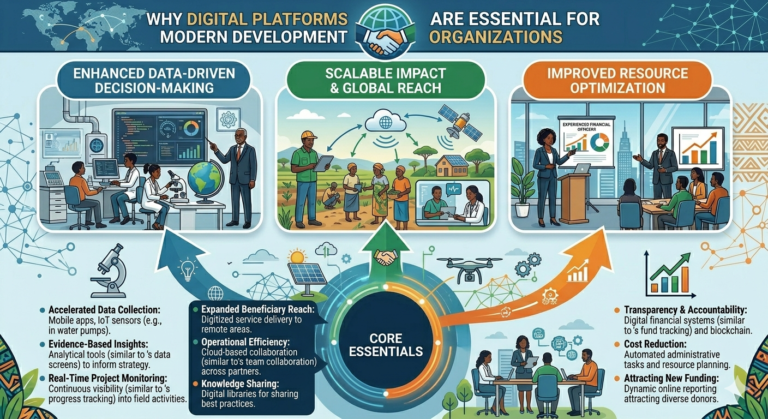
Technology has emerged as one of the most powerful tools for accelerating sustainable development.
Achieving SDGs Through Technology
Modern technologies help address development challenges by improving:
- Education access
- Healthcare delivery
- Agricultural productivity
- Financial inclusion
- Environmental monitoring
- Entrepreneurship opportunities
For example, digital platforms allow farmers to access weather information, market prices, and agricultural best practices, improving productivity and income.
Similarly, online learning platforms are expanding educational opportunities for learners in remote communities.
The Rise of Digital Empowerment Programs
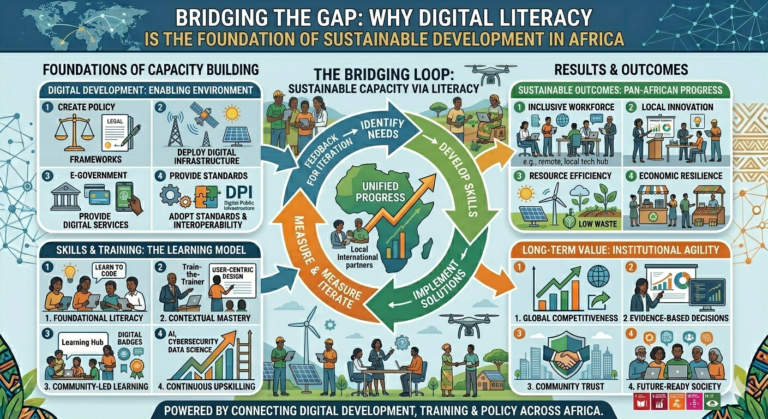
Across Africa, digital empowerment programs Africa are helping individuals gain the skills needed to participate in the digital economy.
These programs focus on:
- Digital literacy
- Entrepreneurship
- Innovation
- Technology adoption
- Workforce readiness
By improving access to technology and knowledge, these initiatives contribute directly to multiple SDGs.
How the SDGs Connect to Everyday Life
Many people do not realize how closely the SDGs relate to their daily experiences.
Quality Education (SDG 4)
Access to education enables individuals to improve their skills, secure employment, and contribute to community development.
Good Health and Well-Being (SDG 3)
Healthcare access improves productivity, quality of life, and economic stability.
Affordable and Clean Energy (SDG 7)
Reliable energy supports education, healthcare, business development, and innovation.
Decent Work and Economic Growth (SDG 8)
Creating employment opportunities helps reduce poverty and improve living standards.
Climate Action (SDG 13)
Protecting the environment supports food security, economic resilience, and long-term sustainability.
These goals are interconnected and often reinforce one another.
Practical Ways Individuals Can Support the SDGs
Achieving the SDGs requires action at every level of society.
1. Develop Relevant Skills
Investing in digital skills training improves employability while supporting economic growth and innovation.
Skills in areas such as:
- Digital marketing
- Data analysis
- Technology applications
- Entrepreneurship
can contribute to sustainable development efforts.
2. Support Community Initiatives
Participating in community empowerment initiatives Nigeria helps strengthen local resilience and create positive social impact.
Examples include:
- Skills development programs
- Youth mentorship
- Environmental projects
- Health awareness campaigns
3. Embrace Sustainable Practices
Individuals can support sustainability by:
- Reducing waste
- Conserving energy
- Supporting local businesses
- Promoting environmental awareness
4. Explore Social Entrepreneurship
Entrepreneurs can develop innovative solutions that address community challenges while creating economic opportunities.
Case Study: Technology and Community Transformation
Imagine a rural community facing challenges related to unemployment, low agricultural productivity, and limited digital access.
A development initiative introduces:
- Digital literacy training
- Agricultural technology solutions
- Entrepreneurship support
- Community leadership programs
Over time, the community experiences:
- Improved productivity
- Increased income opportunities
- Enhanced digital inclusion
- Greater resilience to climate challenges
This example demonstrates how integrated approaches aligned with the SDGs can create sustainable impact.
The Importance of Partnerships
One of the most important SDGs is Goal 17: Partnerships for the Goals.
No single organization can solve complex development challenges alone.
Successful sustainable development requires collaboration among:
- Governments
- Private sector organizations
- Educational institutions
- Civil society groups
- Local communities
Partnerships help mobilize resources, expertise, and innovation to achieve greater impact.
How CIFSAD Supports the Sustainable Development Goals
CIFSAD is a leading sustainability consultant and technology hub committed to transforming communities across Nigeria and Africa through innovative technology solutions, education, and empowerment.
The organization’s work aligns closely with multiple SDGs and focuses on creating sustainable impact through practical solutions.
Comprehensive Digital Skills Training
CIFSAD provides hands-on digital skills training that equips individuals with workplace-ready competencies.
Training areas include:
- Digital marketing
- Technology applications
- Entrepreneurship
- Innovation management
- Communication skills
These programs support SDG 4 (Quality Education) and SDG 8 (Decent Work and Economic Growth).
Sustainability Consulting Services
Through expert sustainability consulting Nigeria, CIFSAD helps organizations develop and implement strategies that promote environmental responsibility, social impact, and long-term growth.
Innovative Technology Training Programs
CIFSAD offers innovative technology training programs that help individuals and organizations leverage technology to solve real-world challenges.
Climate-Smart and Green Solutions
The organization promotes climate-smart initiatives that improve resilience while supporting sustainable economic development.
These efforts contribute directly to SDG 7 (Affordable and Clean Energy) and SDG 13 (Climate Action).
Community Empowerment Initiatives
Through impactful community empowerment initiatives Nigeria, CIFSAD supports youth development, entrepreneurship, skills acquisition, and social inclusion.
Agriculture and Entrepreneurship Support
Technology-driven solutions help farmers and entrepreneurs improve productivity, access markets, and strengthen livelihoods.
Career and Internship Opportunities
CIFSAD provides internship programs, mentorship opportunities, and professional development initiatives that prepare individuals for success in the modern workforce.
Supporting Funding Readiness
For individuals wondering how to get funding for sustainable projects Nigeria, CIFSAD provides guidance, mentorship, and ecosystem support to help innovators strengthen project ideas and connect with opportunities.
Best Practices for Advancing the SDGs
To contribute effectively to sustainable development:
- Invest in continuous learning.
- Develop digital skills.
- Support local development initiatives.
- Embrace innovation and technology.
- Promote environmental sustainability.
- Build collaborative partnerships.
- Support entrepreneurship.
- Engage in community development.
- Advocate for inclusive growth.
- Align personal and organizational goals with the SDGs.
These actions can create meaningful impact at both local and national levels.
Conclusion
Understanding the Sustainable Development Goals (SDGs) is essential for anyone seeking to contribute to a better future for Nigeria, Africa, and the world. The SDGs provide a practical framework for addressing poverty, inequality, unemployment, environmental challenges, and other pressing development issues.
As technology continues to transform societies, opportunities for achieving SDGs through technology are expanding rapidly. Through digital empowerment, innovation, entrepreneurship, sustainability consulting, and community development, individuals and organizations can play a meaningful role in advancing these global goals.
Organizations like CIFSAD are leading this transformation by equipping communities with the knowledge, skills, and tools needed to overcome barriers and build sustainable futures.
Join CIFSAD in Building a Sustainable Future
Are you ready to become part of the movement driving sustainable development across Nigeria and Africa?
Visit CIFSAD Official Website today to explore digital skills training programs, sustainability consulting services, climate-smart initiatives, internship opportunities, entrepreneurship support, and community development projects.
Apply Now. Join a Training Program. Get Involved in Sustainability Projects. Request Sustainability Consulting. Explore Partnership Opportunities. Contact Us for a Free Consultation.
The future of sustainable development starts with informed action and CIFSAD is ready to help you make a lasting impact.