
Sustainable Development in Africa: Challenges and Opportunities
Africa stands at a defining moment in its development journey. Home to the world’s fastest-growing population and some of the most dynamic economies, the continent possesses immense potential for innovation, entrepreneurship, and sustainable growth. Yet, it also faces significant challenges, including climate change, poverty, unemployment, food insecurity, limited digital access, and infrastructure gaps.
Understanding Sustainable Development in Africa: Challenges and Opportunities is essential for governments, businesses, development organizations, and communities seeking to create lasting impact. Sustainable development is not simply about economic growth; it involves balancing economic progress, social inclusion, and environmental protection to ensure that future generations can thrive.
As Africa moves closer to the 2030 deadline for the United Nations Sustainable Development Goals (SDGs), there is growing recognition that technology, education, innovation, and community empowerment will play critical roles in accelerating progress. Organizations like CIFSAD are helping drive this transformation through digital skills training, sustainability consulting, climate-smart solutions, entrepreneurship support, and community development initiatives.
This comprehensive guide explores the major challenges affecting sustainable development in Africa, the opportunities emerging across the continent, and practical strategies for creating a more resilient and prosperous future.
Understanding Sustainable Development in Africa
Sustainable development refers to meeting current needs without compromising the ability of future generations to meet their own needs. It involves creating economic opportunities while protecting natural resources, reducing inequality, and improving quality of life.
In Africa, sustainable development is closely connected to:
- Poverty reduction
- Quality education
- Healthcare improvement
- Climate resilience
- Digital transformation
- Clean energy adoption
- Agricultural productivity
- Entrepreneurship and innovation
The continent’s development priorities align closely with the United Nations Sustainable Development Goals (SDGs), particularly those focused on education, health, economic growth, clean energy, climate action, and partnerships.
The Current State of Sustainable Development in Africa
Over the past decade, Africa has made notable progress in several areas.
Positive Developments
Many countries have experienced:
- Increased internet penetration
- Expansion of renewable energy projects
- Growth in digital entrepreneurship
- Improved access to education
- Rising investment in technology ecosystems
Nigeria, Kenya, Rwanda, Ghana, and South Africa have emerged as leaders in digital innovation, fintech development, and entrepreneurship.
However, substantial challenges remain.
Major Challenges Facing Sustainable Development in Africa
1. Poverty and Economic Inequality
Despite economic growth in many countries, millions of Africans continue to live below the poverty line.
Challenges include:
- Limited employment opportunities
- Income inequality
- Informal labor markets
- Economic vulnerability
For many communities, sustainable livelihoods remain difficult to achieve without targeted interventions.
2. Youth Unemployment
Africa has one of the youngest populations in the world, creating both opportunities and challenges.
Every year, millions of young people enter the labor market, yet job creation often struggles to keep pace.
Common barriers include:
- Skills mismatches
- Limited professional experience
- Insufficient access to training
- Lack of entrepreneurial support
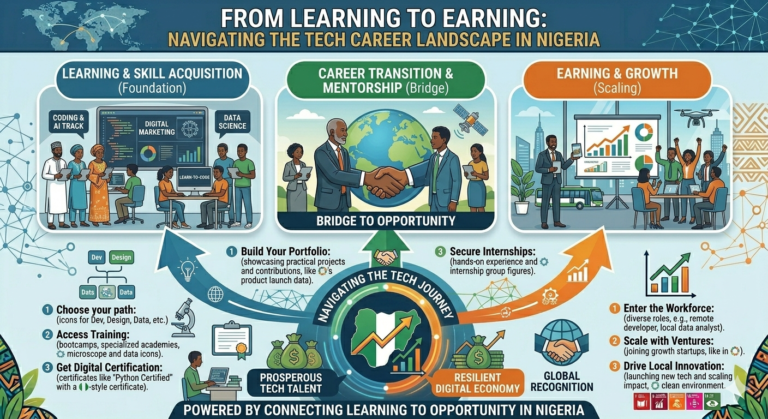
This challenge highlights the importance of digital skills training and workforce development programs.
3. Climate Change and Environmental Vulnerability
Climate change remains one of the most significant threats to sustainable development in Africa.
Communities face:
- Droughts
- Flooding
- Desertification
- Reduced agricultural productivity
- Water scarcity
Agriculture-dependent economies are particularly vulnerable to environmental changes.
4. Limited Digital Access
Although internet usage has grown significantly, many communities still face digital exclusion.
Challenges include:
- Poor connectivity
- High data costs
- Limited access to devices
- Low digital literacy
This digital divide restricts access to education, employment, financial services, and entrepreneurial opportunities.
5. Funding Gaps
Many promising development projects struggle due to inadequate financing.
A common concern among entrepreneurs and social innovators is how to get funding for sustainable projects Nigeria and across Africa.
Limited access to capital often slows the implementation of impactful initiatives.
Opportunities Driving Sustainable Development in Africa
While challenges exist, Africa also possesses extraordinary opportunities for sustainable growth.
The Rise of Digital Transformation
Technology is reshaping industries across the continent.
Digital innovation is improving:
- Financial inclusion
- Healthcare delivery
- Education access
- Agricultural productivity
- Business development
Achieving SDGs Through Technology
Technology plays a crucial role in achieving SDGs through technology by providing scalable solutions to complex development challenges.
Examples include:
- E-learning platforms
- Mobile banking services
- Telemedicine solutions
- Agricultural technology applications
- Digital marketplaces
These innovations improve accessibility and efficiency while creating economic opportunities.
Growth of Digital Empowerment Programs
Across the continent, digital empowerment programs Africa are helping individuals acquire practical skills needed for success in the digital economy.
These programs focus on:
- Digital literacy
- Entrepreneurship
- Innovation
- Workforce readiness
As a result, more young people are gaining access to meaningful employment and business opportunities.
Education as a Driver of Sustainable Development
Education remains one of the most powerful tools for sustainable progress.
Quality Education and Economic Growth
Access to quality education improves:
- Employment outcomes
- Income potential
- Innovation capacity
- Community resilience
Education also supports SDG 4: Quality Education and contributes to multiple other SDGs.
The Importance of Lifelong Learning
Modern economies require continuous skill development.
Areas of increasing demand include:
- Digital marketing
- Data analysis
- Technology applications
- Artificial intelligence
- Project management
Participation in innovative technology training programs helps individuals remain competitive and adaptable.
Agriculture and Food Security Opportunities
Agriculture remains one of Africa’s most important economic sectors.
Challenges Facing Agriculture
Farmers often struggle with:
- Climate variability
- Limited market access
- Low productivity
- Inadequate technology adoption
Technology-Driven Agricultural Solutions
Innovations such as:
- Smart irrigation systems
- Digital weather forecasting
- Precision farming tools
- Mobile agricultural platforms
are helping farmers improve productivity and resilience.
These solutions contribute directly to sustainable development while strengthening food security.
Renewable Energy and Climate-Smart Solutions
Africa possesses enormous renewable energy potential.
Opportunities in Clean Energy
Growing investment in:
- Solar energy
- Wind energy
- Hydropower
- Energy storage technologies
is creating jobs while supporting environmental sustainability.
Climate Resilience Initiatives
Climate-smart solutions help communities:
- Adapt to environmental changes
- Improve agricultural productivity
- Strengthen disaster preparedness
- Protect natural resources
These efforts support both economic growth and environmental protection.
Entrepreneurship and Innovation Ecosystems
Entrepreneurship is emerging as a key driver of sustainable development.
Youth-Led Innovation
Young entrepreneurs are developing solutions in areas such as:
- Agriculture
- Healthcare
- Education
- Renewable energy
- Financial technology
Creating Sustainable Enterprises
Successful businesses often address social and environmental challenges while generating economic value.
This model contributes to long-term development and community empowerment.
Case Study: Community Transformation Through Technology and Skills Development
Imagine a rural community facing unemployment, low agricultural productivity, and limited digital access.
A development initiative introduces:
- Digital literacy training
- Entrepreneurship education
- Agricultural technology solutions
- Community leadership programs
Outcomes
Within a few years:
- Employment opportunities increase.
- Small businesses emerge.
- Agricultural yields improve.
- Digital adoption expands.
- Community resilience strengthens.
This example illustrates how integrated approaches can create sustainable impact while addressing multiple development challenges simultaneously.
Best Practices for Advancing Sustainable Development in Africa
To maximize impact, organizations and communities should focus on:
1. Investing in Education
Education remains the foundation of sustainable development.
2. Expanding Digital Inclusion
Improving access to technology creates opportunities for learning, employment, and innovation.
3. Supporting Entrepreneurship
Entrepreneurs play a vital role in solving local challenges and creating jobs.
4. Promoting Climate-Smart Practices
Environmental sustainability must be integrated into development planning.
5. Strengthening Partnerships
Collaboration among governments, businesses, NGOs, and communities is essential for long-term success.
How CIFSAD Supports Sustainable Development in Africa
CIFSAD is a leading sustainability consultant and technology hub committed to transforming communities across Nigeria and Africa through innovative technology solutions and digital empowerment.
The organization actively supports sustainable development by helping individuals and communities overcome barriers such as low digital literacy, climate vulnerabilities, funding limitations, and limited market access.
Comprehensive Digital Skills Training
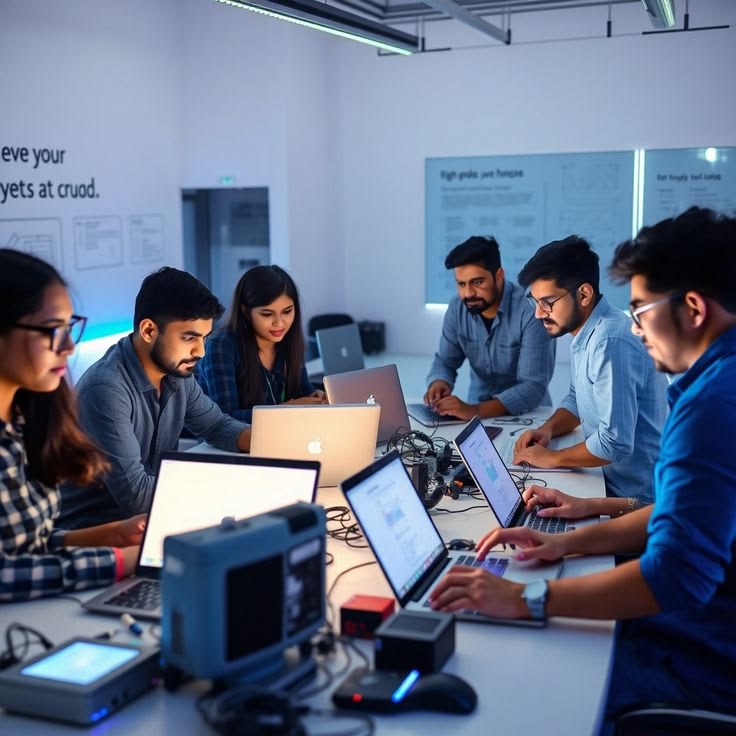
CIFSAD provides practical digital skills training that prepares participants for modern careers and entrepreneurship opportunities.
Training areas include:
- Digital marketing
- Technology applications
- Entrepreneurship
- Communication skills
- Innovation management
Sustainability Consulting Services
Through expert sustainability consulting Nigeria, CIFSAD helps organizations develop and implement impactful sustainability strategies.
Innovative Technology Training Programs
The organization offers innovative technology training programs that equip participants with practical skills needed for the digital economy.
Community Empowerment Initiatives
Through impactful community empowerment initiatives Nigeria, CIFSAD strengthens livelihoods, promotes entrepreneurship, and supports inclusive growth.
Climate-Smart and Green Solutions
CIFSAD promotes renewable energy adoption, climate resilience, and environmentally sustainable practices that support long-term development.
Agriculture and Entrepreneurship Support
Technology-driven solutions help farmers and entrepreneurs improve productivity, access markets, and build sustainable enterprises.
Career and Internship Opportunities
The organization provides mentorship, internships, leadership development programs, and professional networking opportunities that prepare individuals for future success.
Programs Aligned with the SDGs
CIFSAD actively contributes to:
- SDG 3: Good Health and Well-Being
- SDG 4: Quality Education
- SDG 7: Affordable and Clean Energy
- SDG 9: Industry, Innovation and Infrastructure
- SDG 17: Partnerships for the Goals
These initiatives create measurable impact while advancing sustainable development across communities.
Conclusion
Understanding Sustainable Development in Africa: Challenges and Opportunities is essential for anyone committed to building a more resilient, inclusive, and prosperous future. While challenges such as poverty, unemployment, climate change, funding gaps, and digital inequality remain significant, Africa also possesses extraordinary opportunities driven by technology, education, entrepreneurship, renewable energy, and innovation.
By investing in people, promoting digital inclusion, supporting climate-smart solutions, and strengthening partnerships, communities can accelerate progress toward the Sustainable Development Goals. The continent’s young population, growing technology ecosystem, and entrepreneurial spirit position Africa as a powerful force for sustainable transformation.
Organizations like CIFSAD are helping lead this transformation through education, innovation, sustainability consulting, digital empowerment, and community development initiatives that create lasting impact.
Partner with CIFSAD to Drive Sustainable Change
Are you ready to contribute to sustainable development and become part of Africa’s transformation story?
Visit CIFSAD Official Website today to explore digital skills training programs, sustainability consulting services, climate-smart initiatives, entrepreneurship support, internship opportunities, and community development projects.
Apply Now. Join a Training Program. Get Involved in Sustainability Initiatives. Explore Partnership Opportunities. Book a Workshop. Request Sustainability Consulting. Contact Us for a Free Consultation.
The future of Africa depends on the actions we take today and CIFSAD is ready to help you create meaningful and sustainable impact.