Creating Sustainable Solutions Through Collaboration and Technology
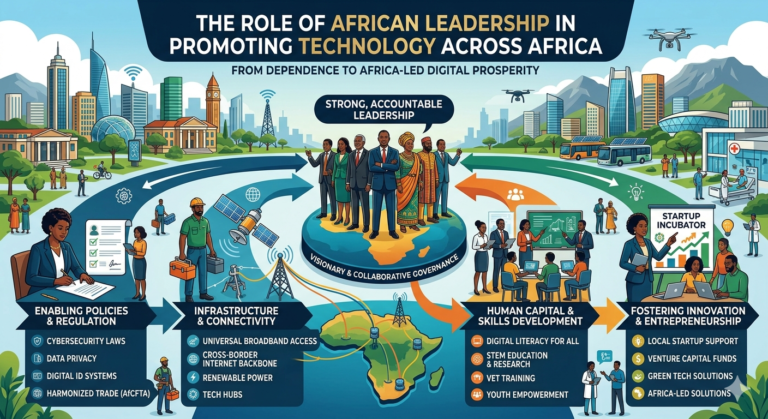
In today’s rapidly evolving world, no single individual, organization, or government can solve complex social, economic, and environmental challenges alone. This is why Creating Sustainable Solutions Through Collaboration and Technology has become a critical approach for driving meaningful and long-lasting impact across Africa.
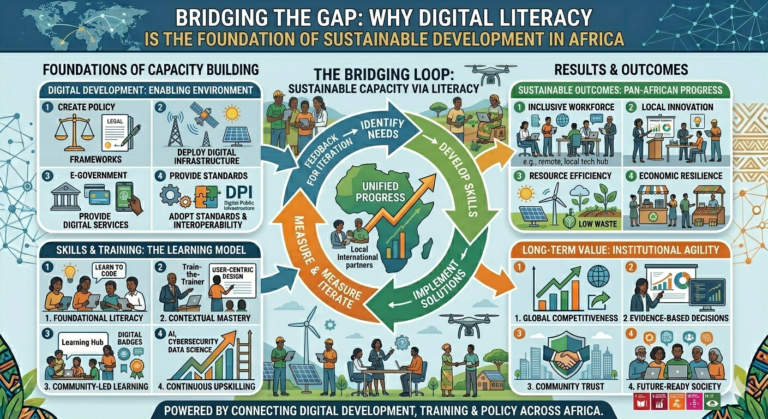
From climate change and unemployment to food insecurity and digital exclusion, the challenges facing communities in Nigeria and across Africa are deeply interconnected. Solving them requires both innovation and cooperation. This is where digital skills training, partnerships, and technology-driven solutions play a transformative role.
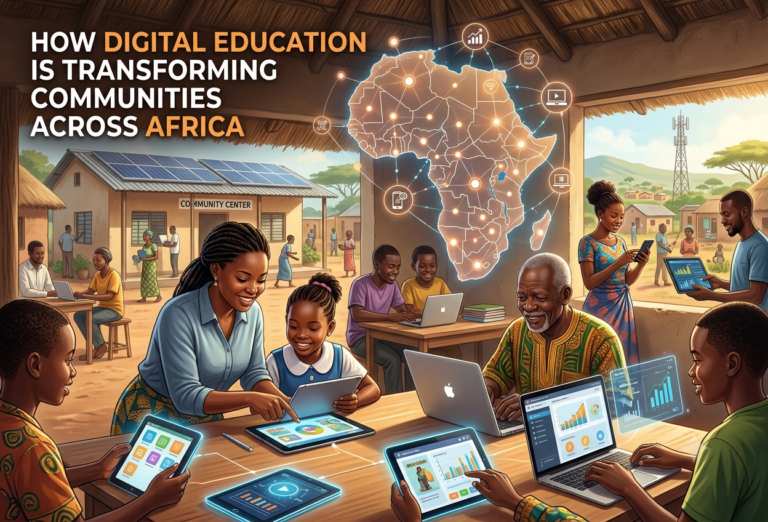
Organizations like CIFSAD are leading this movement by promoting digital empowerment programs Africa, sustainability-focused innovation, and inclusive development strategies that support sustainable development in Nigeria and align with global SDGs.
This guide explores how collaboration and technology work together to build sustainable solutions that empower individuals, businesses, and communities.
Understanding Sustainable Solutions in the Modern Era
Sustainable solutions are strategies, systems, or innovations that solve present challenges without compromising future generations.
In the digital age, sustainable solutions are built on:
- Technology-driven innovation
- Cross-sector collaboration
- Community participation
- Data and digital tools
- Long-term environmental and social thinking
These solutions are essential for achieving SDGs through technology, especially in areas like education, health, agriculture, and clean energy.
For Africa, sustainability is not just an environmental issue, it is a development priority.
Why Collaboration and Technology Matter More Than Ever
- Complex Problems Require Shared Solutions
Issues like poverty, unemployment, and climate change are too complex for one group to solve alone.
- Technology Accelerates Impact
Digital tools make it easier to:
- Collect data
- Share information
- Scale solutions
- Improve efficiency
- Collaboration Expands Access to Resources
Partnerships unlock:
- Funding opportunities
- Expertise
- Infrastructure
- Networks
This is especially important for those seeking how to get funding for sustainable projects Nigeria.
- Inclusivity Drives Better Outcomes
When communities are involved, solutions become more practical and impactful.
Key Challenges Facing Sustainable Development in Africa
Despite progress, several barriers still exist:
- Limited Digital Access
Many rural communities lack internet access and digital infrastructure.
- Low Digital Literacy
Without proper digital skills training, individuals struggle to use modern tools effectively.
- Funding Gaps
Many innovative ideas fail due to lack of financial support.
- Weak Collaboration Between Sectors
Government, private sector, and communities often work in isolation.
- Climate and Environmental Pressures
Climate change affects agriculture, health, and livelihoods across Africa.
These challenges highlight the importance of sustainability consulting Nigeria and integrated development approaches.
How Technology Enables Sustainable Solutions
Technology plays a central role in solving development challenges.
- Data-Driven Decision Making
Organizations can use data to:
- Track progress
- Identify problems
- Improve resource allocation
- Mobile Technology for Inclusion
Mobile phones provide access to:
- Education
- Financial services
- Market information
- Digital Platforms for Collaboration
Online tools allow teams to:
- Share ideas
- Manage projects
- Coordinate activities remotely
- Smart Agriculture Solutions
Farmers can use technology for:
- Weather forecasting
- Pest control alerts
- Market pricing updates
This supports community empowerment initiatives Nigeria by improving livelihoods.

The Power of Collaboration in Building Sustainable Systems
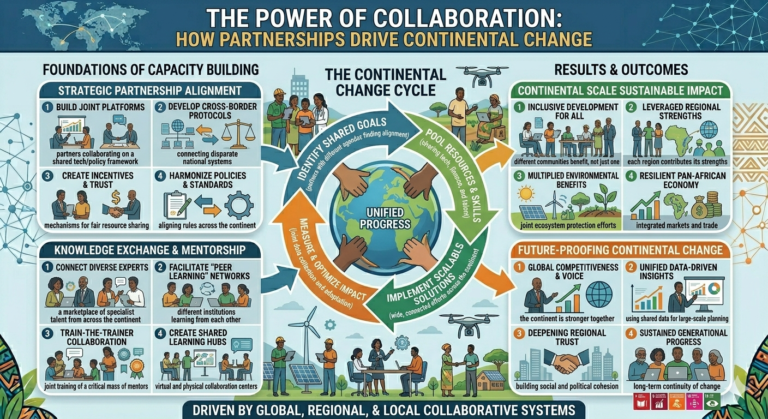
Collaboration is the foundation of sustainable development. It brings together:
- Governments
- NGOs
- Private sector organizations
- Academic institutions
- Local communities
Types of Collaboration Models
- Public-Private Partnerships
Used for infrastructure, education, and innovation projects.
- Community-Led Development
Ensures solutions reflect local needs and realities.
- NGO and Startup Partnerships
Combines innovation with grassroots implementation.
- Academic and Industry Collaboration
Supports research-driven innovation and skill development.
These models are essential for innovative technology training programs that build capacity across sectors.
Practical Steps to Create Sustainable Solutions Through Collaboration and Technology
Step 1: Identify the Problem Clearly
Understand the root cause, not just the symptoms.
Step 2: Engage Stakeholders Early
Include communities, experts, and decision-makers.
Step 3: Use Technology as an Enabler
Select digital tools that support communication, data collection, and implementation.
Step 4: Build Partnerships
Collaborate with organizations that share your goals.
Step 5: Develop a Scalable Model
Ensure the solution can grow and reach more people.
Step 6: Monitor and Evaluate Impact
Track progress using measurable indicators.
These steps align with best practices in digital empowerment programs Africa.
Real-Life Examples of Collaboration and Technology in Action
Example 1: Digital Agriculture Platform
A partnership between local developers and agricultural experts created a mobile app that helps farmers access weather updates and market prices, improving productivity and reducing losses.
Example 2: Education Technology Initiative
Through collaboration between NGOs and tech companies, rural schools gained access to digital learning platforms, improving student performance significantly.
Example 3: Clean Energy Community Project
A joint initiative introduced solar-powered systems in off-grid communities, improving access to electricity and supporting small businesses.
These initiatives demonstrate how sustainable development in Nigeria can be accelerated through innovation and teamwork.
How CIFSAD Drives Sustainable Solutions Through Collaboration and Technology
CIFSAD is a leading sustainability and technology hub dedicated to transforming communities across Nigeria and Africa.
- Comprehensive Digital Skills Training
Through structured digital skills training, CIFSAD equips individuals with practical, job-ready skills needed for today’s economy.
- Innovative Technology Training Programs
CIFSAD’s innovative technology training programs focus on:
- Hands-on learning
- Real-world applications
- Problem-solving using technology
- Sustainability Consulting Nigeria
CIFSAD provides expert sustainability consulting Nigeria services to help organizations design impactful, long-term solutions.
- Community Empowerment Initiatives Nigeria
These initiatives focus on:
- Youth empowerment
- Women inclusion
- Rural development
- Entrepreneurship support
- Support for Funding and Partnerships
CIFSAD also helps individuals understand how to get funding for sustainable projects Nigeria, connecting them to opportunities and partners.
- Technology for Agriculture and Entrepreneurship
CIFSAD supports innovation in:
- Smart farming
- Digital marketing
- Business automation
- Market access platforms
This directly supports achieving SDGs through technology.
Common Mistakes to Avoid in Building Sustainable Solutions
- Working in Isolation
Lack of collaboration limits impact.
- Ignoring Community Input
Solutions must reflect real needs.
- Overlooking Technology
Without digital tools, scalability is limited.
- Weak Monitoring Systems
Without tracking, success cannot be measured.
The Future of Sustainable Development in Africa
The future of development in Africa will be shaped by:
- Stronger digital ecosystems
- Increased collaboration across sectors
- Youth-driven innovation
- Expansion of green technologies
- Growth of digital empowerment programs Africa
Technology and collaboration will remain central to progress.
Key Takeaways
- Sustainable solutions require both collaboration and technology
- Digital tools improve efficiency, inclusion, and scalability
- Partnerships unlock funding, expertise, and resources
- Community involvement ensures long-term success
- CIFSAD plays a key role in building sustainable digital ecosystems
Conclusion: Building a Better Future Together
Creating sustainable solutions is no longer optional, it is essential for Africa’s future. By combining collaboration with technology, communities can solve complex challenges and build systems that last for generations.
Through sustainable development in Nigeria, digital innovation, and shared responsibility, we can create a future that is inclusive, resilient, and prosperous.
CIFSAD continues to lead this transformation by empowering individuals through digital skills training, supporting innovation, and strengthening partnerships that drive real impact.
Now is the time to be part of the solution.
Visit https://cifsad.com.ng/ today to:
- Apply for digital skills training programs
- Join community empowerment initiatives
- Request sustainability consulting Nigeria services
- Explore partnerships and collaboration opportunities
- Access innovation and funding support
Don’t wait for change, create it. Join CIFSAD today and start building sustainable solutions through collaboration and technology.