
How Online Learning Is Closing the Skills Gap in Africa
Introduction: A Digital Lifeline for Africa’s Future Workforce
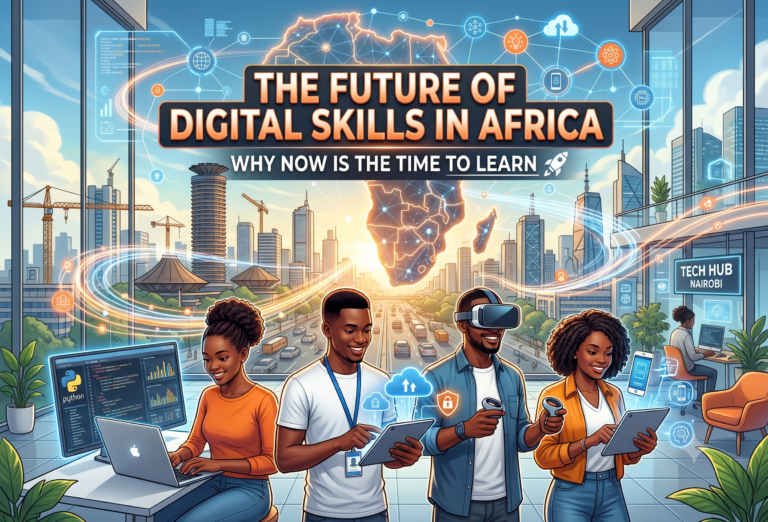
Across Africa, a quiet revolution is reshaping education and employment. A student in rural Nigeria can now learn coding from a smartphone, a farmer in Kenya can access climate-smart agriculture training online, and a young entrepreneur in Ghana can master digital marketing without leaving home. This transformation is powered by online learning closing the skills gap in Africa.
Yet, despite these advances, millions of Africans still lack access to quality education and structured digital skills training needed to compete in the modern economy. According to 2024–2026 workforce projections, Africa will need over 230 million digitally skilled workers by 2030 to meet labor market demands.
This is where CIFSAD plays a vital role, bridging the gap through digital empowerment programs Africa needs to unlock potential, reduce unemployment, and promote sustainable development.
This guide explores how online learning is transforming Africa’s education landscape, solving skills shortages, and empowering communities for the future.
The Skills Gap Challenge in Africa: Understanding the Reality
The skills gap in Africa is one of the biggest barriers to economic growth and youth employment. While millions of young people graduate every year, many lack practical digital and technical skills required by employers.
Key challenges include:
- Limited access to innovative technology training programs
- Poor internet infrastructure in rural areas
- High cost of digital devices and data
- Weak alignment between education and industry needs
- Low awareness of community empowerment initiatives Nigeria
This gap directly affects sustainable development in Nigeria, slowing innovation, job creation, and industrial growth.
Why Online Learning Is a Game-Changer for Africa
Online learning is not just a trend, it is a powerful solution to Africa’s education and employment challenges.
Key benefits include:
- Flexible access to education anytime, anywhere
- Affordable learning compared to traditional institutions
- Global exposure to skills and opportunities
- Self-paced and personalized learning
- Access to international instructors and resources
These advantages make online learning one of the most effective tools for achieving SDGs through technology, especially SDG 4 (Quality Education) and SDG 8 (Decent Work and Economic Growth).
How Online Learning Is Closing the Skills Gap in Africa
Online education is transforming how Africans learn, work, and innovate.
- Expanding Access to Quality Education
Online platforms are breaking geographical barriers.
Impact includes:
- Students in rural areas accessing global courses
- Free and low-cost learning opportunities
- Mobile-based education systems
This supports digital skills training programs that reach underserved communities.
- Bridging the Urban-Rural Divide
Previously, quality education was concentrated in cities. Now, online learning allows:
- Rural youth to learn tech skills
- Farmers to access agricultural training
- Women to learn entrepreneurship skills
This strengthens community empowerment initiatives Nigeria by ensuring inclusion.
- Supporting Youth Employment and Freelancing
Online learning prepares young people for digital jobs such as:
- Freelancing
- Remote work
- Digital marketing
- Software development
This directly addresses youth unemployment digital skills Africa challenges.
- Enabling Entrepreneurship and Innovation
Online education empowers individuals to:
- Start online businesses
- Sell products globally
- Build digital brands
- Create tech startups
This is especially important for sustainability consulting Nigeria and innovation-driven economies.
- Enhancing Agricultural Productivity
Farmers benefit from online training in:
- Climate-smart agriculture
- Market access tools
- Weather forecasting apps
This supports climate-smart agriculture Nigeria and food security.
Barriers Still Limiting Online Learning in Africa
Despite progress, challenges remain.
Key barriers include:
- Limited internet access in rural areas
- High cost of data and devices
- Low digital literacy levels
- Lack of structured digital empowerment programs Africa
- Insufficient funding for education initiatives
Understanding how to get funding for sustainable projects Nigeria is essential to scale digital education solutions.
How to Maximize the Benefits of Online Learning
To succeed in the digital learning space, learners must adopt structured strategies.
Step 1: Choose the Right Learning Platform
Look for platforms offering:
- Accredited courses
- Practical assignments
- Mentorship support
- Career guidance
Step 2: Focus on High-Demand Skills
Key skills include:
- Digital marketing
- Data analysis
- UI/UX design
- Software development
- Cybersecurity
These are core components of innovative technology training programs.
Step 3: Create a Learning Routine
Consistency is essential:
- Set daily learning goals
- Study 1–2 hours daily
- Practice regularly
Step 4: Apply What You Learn
Practice makes learning effective:
- Build real projects
- Offer freelance services
- Volunteer for digital tasks
Step 5: Join Online Communities
Engage with:
- Tech forums
- LinkedIn groups
- Learning communities
This improves networking and opportunities.
Case Studies: How Online Learning Is Transforming Africa
Case Study 1: Youth Digital Training Success
A program inspired by CIFSAD trained over 600 young people using online and hybrid learning models.
Outcomes:
- 200+ secured remote jobs
- 180 became freelancers
- 120 started online businesses
This shows strong impact on community empowerment initiatives Nigeria.
Case Study 2: Digital Agriculture Training
Farmers trained online achieved:
- 35% increase in productivity
- Better access to market information
- Reduced crop losses through weather tools
This supports sustainable development in Nigeria and rural transformation.
Case Study 3: Women Empowerment Through Online Learning
Women trained digitally:
- Increased income through online sales
- Gained digital marketing skills
- Expanded business reach globally
This supports sustainability consulting Nigeria and inclusive growth.
How CIFSAD Is Closing the Skills Gap in Africa
CIFSAD is a leading sustainability consultant and technology hub committed to transforming communities through education, innovation, and empowerment.
CIFSAD provides:
- Comprehensive digital skills training
- Online and hybrid learning programs
- Sustainability consulting Nigeria
- SDG-aligned education initiatives
- Career development and internships
How CIFSAD solves key challenges:
- Low digital literacy → structured training programs
- Limited access to education → online learning solutions
- Funding gaps → mentorship and guidance
- Market barriers → entrepreneurship training
- Climate challenges → green innovation education
CIFSAD and the SDGs
CIFSAD contributes to:
- SDG 4: Quality Education
- SDG 7: Clean Energy
- SDG 8: Decent Work and Economic Growth
- SDG 9: Industry, Innovation, and Infrastructure
- SDG 17: Partnerships for Sustainable Development
This positions CIFSAD as a key driver of digital empowerment programs Africa and long-term transformation.
The Future of Online Learning in Africa
The future of education is digital, flexible, and inclusive.
Emerging trends include:
- AI-powered personalized learning
- Mobile-first education platforms
- Micro-credentials and certifications
- Global virtual classrooms
- Lifelong learning ecosystems
These trends are reshaping Africa’s education and employment landscape.
Conclusion: Online Learning Is Unlocking Africa’s Potential
Online learning is no longer just an alternative, it is a powerful solution closing the skills gap across Africa. It is transforming education, empowering youth, and driving economic growth.
The role of online learning closing the skills gap in Africa is critical for building a future where everyone has access to opportunity, regardless of location or background.
With strong support from organizations like CIFSAD, more individuals can access digital skills training programs, gain employable skills, and contribute to sustainable development across the continent.
The future of Africa depends on learning and online education is making it possible for all.
Start Learning and Transform Your Future Today
Your future begins with a single step.
Visit https://cifsad.com.ng/ today to:
- Apply for digital skills training programs
- Join community empowerment initiatives Nigeria
- Request expert sustainability consulting Nigeria
- Explore internships and career opportunities
- Participate in innovative technology training programs
- Get personalized support for your learning journey
Don’t wait, take action now. Apply Now, Get Involved, and Close the Skills Gap in Your Life Today.